

Causes of Sudden Tooth Sensitivity? Dr. Smile Explains
Why Are My Teeth Suddenly Sensitive to Cold?
You reach for your morning tea or a glass of ice water, and suddenly, a sharp, shooting pain electrifies your tooth. If you’re wondering why your teeth are sensitive all of a sudden, you’re not alone. This jarring experience is a sign that the protective layer of your teeth has been compromised, exposing the sensitive nerves within.
That jarring zing when you sip a cold drink or bite into something sweet is more than just a minor annoyance. When you find your teeth suddenly sensitive to cold or other stimuli, it’s a signal from your body that something has changed. This condition, known as dentin hypersensitivity, happens when the protective outer layers of your teeth—enamel and cementum—wear down, exposing the softer layer underneath called dentin. Dentin contains thousands of microscopic tubules that lead directly to the tooth’s nerve pulp. When exposed, triggers like temperature, pressure, or even sweetness can travel through these tubules and stimulate the nerve, resulting in a sudden sharp pain in tooth.
But why does this happen all of a sudden? Let’s delve into the primary causes of sudden tooth sensitivity that we see right here at our Kolkata clinic.
1. Enamel Erosion: The Silent Thief of Comfort
Your tooth enamel is the hardest substance in your body, but it’s not invincible. Gradual wear and tear is normal, but accelerated erosion can quickly lead to sensitivity. One of the main enamel loss symptoms is a yellowish appearance of the tooth as the darker dentin shows through. Key culprits for this loss include:
- Acidic Diet: Frequent consumption of citrus fruits, sodas, wine, and other acidic foods and beverages can dissolve enamel over time.
- Aggressive Brushing: Using a hard-bristled toothbrush or brushing with excessive force can literally scrub away your enamel.
- Acid Reflux (GERD): Stomach acids rising into the mouth, especially during sleep, are highly corrosive and can cause severe enamel damage.
When enamel thins, the underlying dentin becomes exposed, and suddenly, you have sensitive teeth all of a sudden.
2. Gum Recession: When Gums Pull Back
Your gums are meant to protect the roots of your teeth. Unlike the crowns of your teeth, the roots are not covered by hard enamel; they are covered by a softer layer called cementum. If your gums recede due to periodontal (gum) disease, aggressive brushing, or even genetics, this root surface becomes exposed. Since the cementum is thin and easily worn away, the dentin underneath is quickly left vulnerable, leading to significant sensitivity, particularly at the gum line.
3. The Sneaky Presence of Tooth Decay (Cavities)
A cavity is a hole in your tooth caused by decay. In its early stages, you might not feel it. But as the decay progresses deeper into the tooth, it breaches the enamel and enters the dentin. This can cause localized sensitivity that feels like a sudden sharp pain in tooth when you eat something sweet, hot, or cold. If left untreated, the decay will eventually reach the pulp, leading to a much more severe toothache and the need for root canal therapy.
4. Cracks and Chips: Breaches in Your Dental Armour
A tiny, often invisible crack or chip in a tooth can be a direct highway for stimuli to reach the nerve. This can happen from biting down on something hard like ice or a nut, an injury to the face, or even from teeth grinding. The sensitivity from a cracked tooth is often sharp and occurs specifically when you bite down or release the bite, making it a distinct and alarming experience that warrants immediate dental attention.
5. The Aftermath of Dental Procedures
It’s quite common to experience temporary sensitivity after certain dental treatments. Procedures like teeth whitening, fillings, crown placements, or even a professional cleaning can temporarily make your teeth more sensitive. This is usually because the procedure can cause minor inflammation of the tooth’s pulp or temporarily expose dentin tubules. This type of sensitivity should typically subside within a few days to a few weeks. If it persists or worsens, it’s important to contact us.
6. The Nightly Grind: Bruxism’s Toll
Many people in Kolkata and worldwide unconsciously clench or grind their teeth (a condition called bruxism), often while sleeping. This constant, immense pressure can wear down enamel at an alarming rate, leading to generalized sensitivity, flattened biting surfaces, and even cracked teeth. If you wake up with a sore jaw, a dull headache, or notice your teeth looking shorter, bruxism could be the underlying cause of your newfound sensitivity.
What to Do About Your Sudden Tooth Sensitivity in Kolkata
The first and most important step is to get an accurate diagnosis. Since the causes of sudden tooth sensitivity are so varied, self-diagnosing can be misleading and delay proper treatment. What you might think is simple sensitivity could be the early sign of a cavity or a cracked tooth requiring immediate attention. Don’t wait for the pain to become unbearable. A simple consultation at Dr. Smile’s clinic can pinpoint the exact cause and set you on the path to lasting relief.
Why Choose Dr. Smile in Kolkata for Sensitivity Treatment
When you’re dealing with the discomfort of tooth sensitivity, you need a dental partner you can trust. At Dr. Smile’s clinic in Kolkata, we combine compassionate care with cutting-edge technology to provide solutions, not just temporary fixes.
Expert Diagnosis: We don’t guess. Using advanced diagnostic tools, including digital X-rays and intraoral cameras, we accurately identify the root cause of your sensitivity. This ensures your treatment plan is precise, effective, and tailored to your specific needs.
Advanced Treatment Options: From fluoride varnishes and bonding agents to custom night guards for bruxism and expert periodontal care, we offer a comprehensive range of treatments under one roof. Our goal is to address the underlying issue and restore your dental health for the long term.
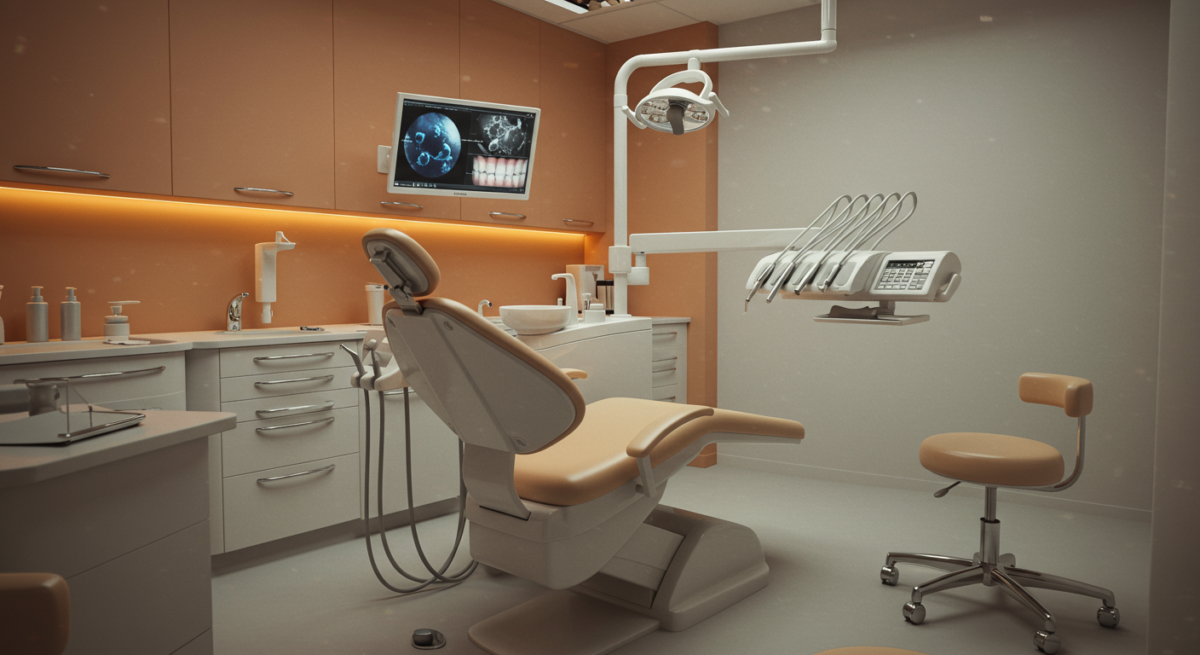
Patient Comfort & Affordability: We believe quality dental care should be accessible. Our clinic is designed for your comfort, and our friendly team is here to ease any anxieties. We also offer flexible payment plans and EMI options to ensure that financial concerns don’t stand in the way of your relief.
Frequently Asked Questions
‘Can sudden tooth sensitivity go away on its own?’
Sometimes, if the sensitivity is due to a minor issue like a recent cleaning, it might subside. However, in most cases, sudden sensitivity is a symptom of an underlying problem like enamel loss, a cavity, or gum recession that will not resolve itself and may worsen over time. It is always best to get it checked by a dentist in Kolkata to prevent more complex issues.
[/bt_accordion_items
‘Is it normal for teeth to be sensitive after whitening?’
Yes, temporary tooth sensitivity is a common side effect of professional and at-home teeth whitening treatments. The whitening agents can temporarily increase the porosity of the enamel, allowing stimuli to reach the nerve. This sensitivity usually lasts for a few days and can be managed with desensitizing toothpaste. If it persists for more than a week, you should consult your dentist.
[/bt_accordion_items
‘How can I prevent tooth sensitivity from developing?’
Prevention is key! Use a soft-bristled toothbrush and brush gently. Use a desensitizing toothpaste containing potassium nitrate or strontium chloride. Limit acidic foods and drinks, and if you do consume them, rinse your mouth with water afterward. Most importantly, maintain regular dental check-ups with Dr. Smile so we can catch and address potential issues like cavities or signs of grinding early on.
[/bt_accordion_items