
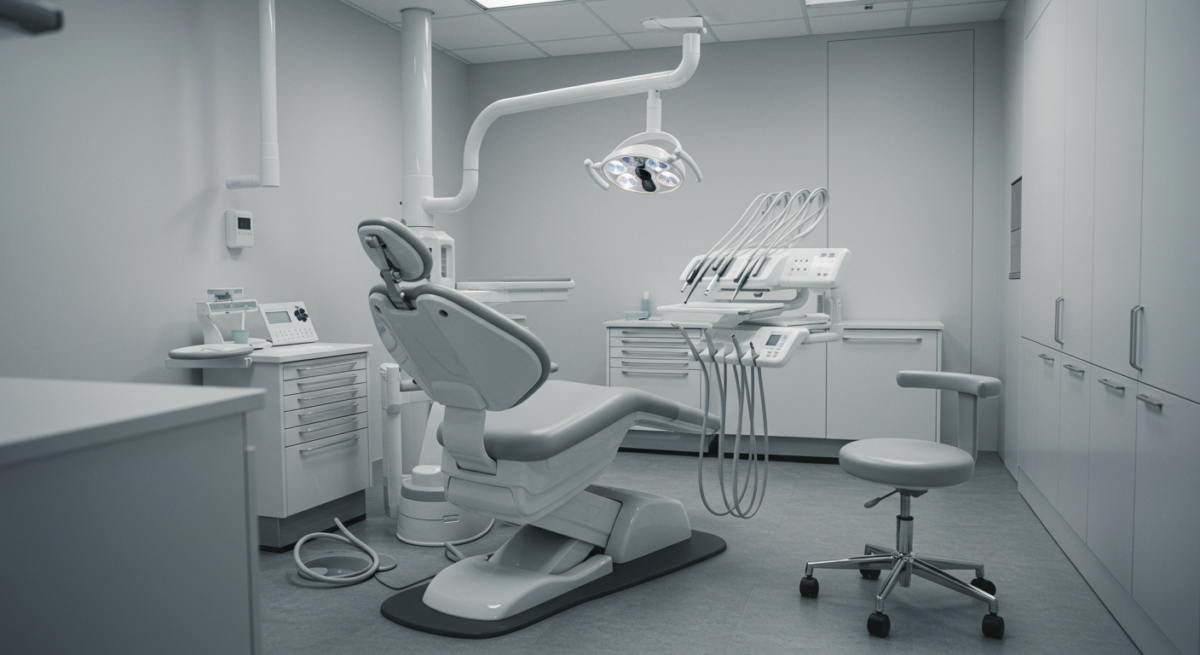
what-happens-if-you-dont-replace-a-missing-tooth-1200x655.png

The Real Answer to: What Happens If You Don’t Replace a Missing Tooth?

Many people in Kolkata believe that if a missing tooth, especially a back molar, isn’t visible, it’s not a problem. Unfortunately, this is a dangerous misconception. The consequences of not replacing a tooth are silent, progressive, and can lead to complex and costly dental issues down the road. It’s a chain reaction that affects everything from your bite to your facial structure.

Losing a tooth, whether through extraction, injury, or decay, can feel like a personal and isolated problem. It’s easy to think, “I’ll deal with it later,” especially if the gap isn’t visible when you smile. However, understanding the biological journey your mouth embarks on after tooth loss is crucial. The question isn’t just cosmetic; it’s fundamental to your long-term health. So, let’s explore the step-by-step process of what happens if you don’t replace a missing tooth.

Phase 1: The Great Migration – Teeth Shifting After Extraction

Your teeth exist in a state of balanced harmony. Each tooth holds its neighbours and its opposing tooth in place. When one is removed, this balance is immediately disrupted. The first and most noticeable change is the migration of adjacent teeth. This is not a matter of ‘if,’ but ‘when.’ The teeth on either side of the gap will begin to tilt and drift into the empty space. This process is known as ‘mesial drift.’ Simultaneously, the tooth in the opposite jaw, which once chewed against the missing tooth, will start to over-erupt or ‘supra-erupt,’ growing longer as it searches for its missing partner. This initial phase of teeth shifting after extraction creates a cascade of problems. The new, unnatural spacing and angles make teeth harder to clean, dramatically increasing your risk for plaque buildup, cavities, and gum disease around these previously healthy teeth. Furthermore, this shifting completely alters your bite, which leads us to the next, more insidious phase.

Phase 2: The Vanishing Foundation – Bone Loss Around a Missing Tooth

This is the most critical consequence and one that patients are often unaware of. Your jawbone isn’t just inert scaffolding; it’s living tissue that requires constant stimulation to maintain its density and volume. This stimulation comes from the tiny vibrations and pressures transmitted through the root of your tooth every time you chew. When a tooth is gone, the stimulation stops. The body, ever efficient, interprets this lack of use as a sign that the bone in that area is no longer needed. It begins a process called resorption, where the bone cells are broken down and reabsorbed into the body. This is the reality of bone loss around a missing tooth. In the first year alone after losing a tooth, you can lose up to 25% of the bone volume in that area. This jaw bone deterioration doesn’t just stay in one spot. It weakens the entire foundation, compromising the support for the now-drifting neighbouring teeth and making future tooth replacement, like a dental implant, significantly more complex and costly. The missing molar consequences are particularly severe, as molars have large, multi-rooted structures that anchor a significant portion of the jaw. Losing a molar accelerates bone loss and has a greater impact on your bite stability.

Phase 3: The Total Impact – Bite Collapse, TMJ Pain, and Facial Changes

Over months and years, the combined effects of shifting teeth and jaw bone deterioration culminate in significant functional and aesthetic changes. The altered bite from drifting teeth can lead to what dentists call ‘bite collapse.’ Your teeth no longer meet correctly, putting immense stress on your jaw joint (the temporomandibular joint, or TMJ). This can result in chronic headaches, neck pain, clicking or popping sounds in your jaw, and difficulty chewing comfortably. The functional challenges are matched by visible aesthetic changes. As significant bone is lost, particularly after the loss of multiple teeth, your facial structure begins to change. Your lips can look thinner, your cheeks can appear sunken, and more wrinkles may form around your mouth. This collapse of the lower third of your face can prematurely age your appearance. What started as a single empty space has now transformed into a complex problem affecting your comfort, function, and confidence. Reversing these changes is far more difficult than preventing them in the first place.

Why Choose Dr. Smile in Kolkata to Restore Your Smile

Understanding the severe consequences of a missing tooth is the first step; the second is choosing the right expert to restore your oral health. At Dr. Smile’s clinic in Kolkata, we don’t just fill gaps—we rebuild your smile’s foundation. Dr. Smile possesses extensive expertise in all forms of tooth replacement, from state-of-the-art dental implants that halt bone loss to meticulously crafted dental bridges and dentures.

We believe world-class dental care should be accessible. That’s why we offer flexible and transparent EMI options, allowing you to get the essential treatment you need without financial strain. Our clinic is equipped with advanced diagnostic technology, including 3D CBCT scanning, which provides a crystal-clear image of your jawbone. This allows for unparalleled precision in diagnosing jaw bone deterioration and planning for procedures like dental implants, ensuring predictable, successful, and long-lasting results.

Frequently Asked Questions About Missing Teeth

‘How quickly does bone loss occur after a tooth is lost?’

Jaw bone deterioration begins almost immediately after a tooth is extracted. The most significant loss occurs within the first year, where you can lose up to 25% of the bone width in that area. The process continues indefinitely, which is why early intervention is critical to preserve the jaw’s structure and make future replacement easier.

[/bt_accordion_items
‘Will replacing a missing molar really make a difference if no one can see it?’

Absolutely. The missing molar consequences are primarily functional, not aesthetic. Molars are the workhorses of your mouth, responsible for the majority of your chewing power. Their loss directly leads to teeth shifting, bite collapse, and the most rapid rate of jaw bone deterioration due to their large root structure. Replacing a molar is crucial for maintaining your bite, preventing TMJ problems, and preserving the health of your entire jaw.

[/bt_accordion_items
‘What are my tooth replacement options at Dr. Smile in Kolkata?’

We offer a comprehensive range of solutions tailored to your specific needs. The gold standard is a Dental Implant, as it’s the only option that replaces the tooth root and actively prevents bone loss. Other excellent options include a Dental Bridge, which uses adjacent teeth as anchors to support a prosthetic tooth, and custom-fit Partial Dentures, which are a removable and affordable choice. During your consultation, we will discuss the pros and cons of each to find the perfect solution for you.

[/bt_accordion_items
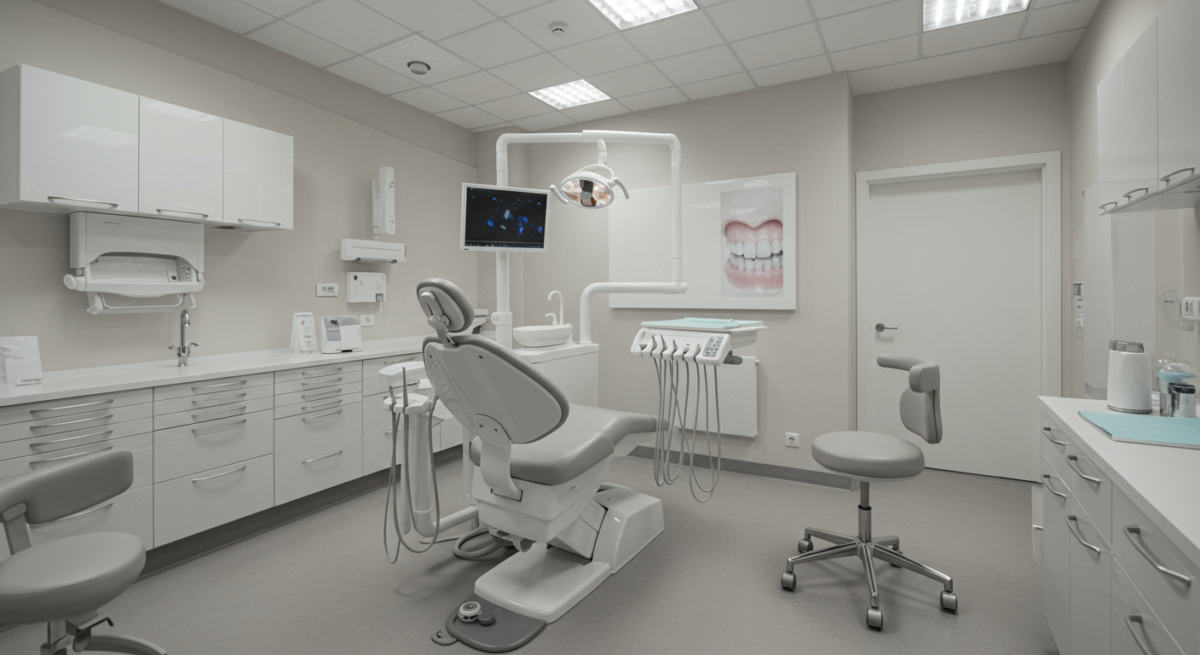

the-difference-between-a-dentist-and-an-orthodontist-1200x655.png

“Should I See My Dentist or an Orthodontist for This?”

It’s a question we hear often at our Kolkata clinic. You know you need dental help—whether it’s for a sudden toothache or a long-standing desire for straighter teeth—but who do you call? Understanding the key differences between a dentist and an orthodontist is the first step to ensuring your smile gets the right expertise from the very first appointment, saving you time, money, and unnecessary stress.

Think of your general dentist as the primary care physician for your mouth. They are your first line of defense for maintaining overall oral health. Every dentist, including specialists, first earns a degree as a general dentist (a Bachelor of Dental Surgery or BDS in India, followed by an MDS for specialization). They are the experts you see for routine check-ups, cleanings, and addressing common dental problems.

A general dentist’s scope of practice is wide and essential. Their key responsibilities include:

  • Preventive Care: Professional cleanings, fluoride treatments, and oral health education.
  • Restorative Care: Filling cavities, repairing cracked or chipped teeth, and placing dental crowns and bridges.
  • Basic Diagnostics: Taking X-rays, diagnosing gum disease (gingivitis), and identifying potential issues that may require a specialist.
  • Root Canal Therapy: Treating infected tooth pulp to save a natural tooth.
  • Extractions: Removing teeth that are beyond repair.

A common question is the difference between a pediatric dentist vs general dentist. While a general dentist is qualified to treat patients of all ages, a pediatric dentist has undergone additional years of training specifically focused on the dental needs of infants, children, and adolescents. They are experts in managing a child’s behaviour, addressing developmental issues, and creating a positive, fear-free dental experience from a young age.

Now, let’s talk about the specialist. An orthodontist is a dentist who has decided to pursue further education and training—typically a 2-3 year full-time residency—to become an expert in a specific field: orthodontics and dentofacial orthopedics. This is the science and art of moving teeth and aligning jaws. While all orthodontists are dentists, only about 6% of dentists go on to become orthodontists.

An orthodontist is the ultimate dental alignment specialist. Their focus is singular and highly refined: correcting ‘malocclusions,’ which is the technical term for a bad bite. If you’ve ever wondered who does braces, the definitive answer is the orthodontist. Their entire practice revolves around:

  • Diagnosis of Alignment Issues: Identifying crooked teeth, crowding, gaps, overbites, underbites, crossbites, and other jaw-related problems.
  • Treatment Planning: Creating a precise, customized plan to guide your teeth into their ideal position using advanced tools like 3D digital scans and software.
  • Applying Corrective Appliances: Fitting and managing braces (metal, ceramic) and clear aligners (like Invisalign).
  • Jaw Alignment: Addressing issues related to jaw growth and alignment, especially in growing children and adolescents.
  • Retention: Providing and monitoring retainers after treatment to ensure your beautiful new smile lasts a lifetime.

To put it simply: Your dentist manages your overall oral health, and your orthodontist perfects your smile’s structure and alignment. Think of it like a general physician and a cardiologist. You see your GP for your annual check-up, a flu shot, or a common cold. But if you have a specific heart-related issue, they will refer you to a cardiologist who has specialized knowledge in that one area. The relationship between a dentist and an orthodontist is very similar. They often work together as a team. Before you start orthodontic treatment, your orthodontist will insist that your teeth and gums are healthy, which is confirmed by your general dentist.

It’s also useful to understand the periodontist vs orthodontist distinction. While an orthodontist moves teeth, a periodontist is a specialist who focuses on the foundations: your gums and the bone supporting your teeth. They treat advanced gum disease (periodontitis) and perform procedures like dental implant placement. A healthy gum foundation is crucial for successful orthodontic treatment, highlighting how these specialists often collaborate for your best outcome.

Why Choose Dr. Smile for Your Dental Needs in Kolkata?

At Dr. Smile, we bridge the gap between general and specialized dental care. Our Kolkata clinic is built on a foundation of collaboration. Our expert general dentists provide top-tier comprehensive care, from routine cleanings to complex restorations, ensuring your oral health is always in prime condition. When alignment issues are identified or desired, we have a seamless process for consultation with leading orthodontic specialists, ensuring you receive the most qualified care for your specific goals.

We believe world-class dental care should be accessible. Major treatments like braces or clear aligners are an investment in your long-term health and confidence. That’s why we offer flexible payment plans and convenient EMI options, making it easier for you and your family to budget for the perfect smile without compromise.

Our commitment to excellence is reflected in our technology. We utilize state-of-the-art diagnostic tools like digital X-rays and 3D intraoral scanners. This technology not only provides a more comfortable patient experience (no more goopy impressions!) but also allows for incredibly precise diagnoses and treatment planning, whether for a simple filling by your dentist or a complex orthodontic plan by a specialist.

Frequently Asked Questions

‘Who does braces, a dentist or an orthodontist?’

While some general dentists may offer basic teeth-straightening services with clear aligners, an orthodontist is the certified specialist for any and all alignment corrections. Orthodontists have completed 2-3 years of additional, full-time university training dedicated solely to moving teeth and aligning jaws. For the safest, most effective, and most predictable results with braces or aligners, you should always see a specialist orthodontist.

[/bt_accordion_items
‘Do I need a referral from my dentist to see an orthodontist in Kolkata?’

Not necessarily. While many patients are referred by their general dentist, our clinic and many other specialist practices in Kolkata allow you to book an orthodontic consultation directly. If you have concerns about crooked teeth, gaps, or your bite, you are welcome to schedule an appointment with an orthodontic specialist on your own. They will perform a full evaluation and determine the best course of action.

[/bt_accordion_items
‘What is the difference between a periodontist vs orthodontist?’

This is an excellent question that highlights the depth of dental specialization. An orthodontist is a dental alignment specialist who focuses on correcting the position of your teeth and jaws (e.g., with braces). A periodontist, on the other hand, is a specialist who focuses on the health of your gums and the underlying bone that supports your teeth. They treat gum disease, place dental implants, and perform gum grafts. Healthy gums (the domain of a periodontist) are essential before starting treatment to move teeth (the domain of an orthodontist).

[/bt_accordion_items


how-to-stop-gums-from-bleeding-instantly-1200x655.png

What Your Bleeding Gums Are Trying to Tell You

Seeing pink or red when you brush or floss is more than just a minor inconvenience—it’s your body’s signal that something is amiss with your gum health. While occasional, minor bleeding might not be a major concern, persistent bleeding is often the first sign of gingivitis, the initial stage of gum disease. Ignoring this crucial warning can lead to more severe dental problems, but the good news is that you can take action right now to address it.

Finding blood on your toothbrush or in your saliva can be distressing, but understanding the right steps can empower you to take control of your oral health. The key to tackling this issue is a three-step approach: immediate first aid, effective home remedies, and long-term professional care. At Dr. Smile in Kolkata, we want to guide you through each stage, helping you find relief now and build a foundation for healthy gums for life.

Step 1: Bleeding Gums First Aid – How to Stop Bleeding Immediately

When you notice bleeding, your first instinct might be to panic. Instead, take a deep breath and follow these simple bleeding gums first aid steps to help stop gum bleeding immediately. The goal is to control the bleeding and soothe the inflamed tissue.

First, apply gentle but firm pressure to the bleeding area. Take a clean, damp piece of gauze or a clean washcloth, fold it, and press it against the specific spot on your gum line that is bleeding. Hold it in place for a few minutes. This pressure helps encourage the blood to clot. Avoid the temptation to rinse your mouth vigorously right away, as this can dislodge the fresh clot.

Next, use a cold compress. Wrap a few ice cubes in a thin cloth or towel and hold it against your cheek or lips, on the outside of the bleeding area. Do this for about 10-15 minutes. The cold temperature helps to constrict the blood vessels in your gums, which can significantly slow and stop the flow of blood. This is a highly effective and simple technique to manage acute bleeding.

Step 2: Home Remedies for Bleeding Gums – Your Supportive Care Plan

Once you’ve controlled the immediate bleeding, the next step is to use supportive home remedies for bleeding gums to reduce inflammation and promote healing. These are not a permanent cure, but they are crucial for managing symptoms and improving your gum health in the short term.

The most celebrated home remedy is a warm salt water rinse. Using salt water for bleeding gums is an age-old practice for a reason: it works. Salt is a natural antiseptic and anti-inflammatory agent. To prepare the rinse, simply dissolve half a teaspoon of table salt into a cup of warm (not hot) water. Swish this solution gently around your mouth for 30 seconds and then spit it out. Do not swallow it. You can repeat this 2-3 times a day, especially after meals and before bed, to help cleanse the area, reduce swelling, and soothe your tender gums.

Beyond salt water, your daily oral hygiene routine is paramount. You might think you should stop brushing if your gums bleed, but the opposite is true. Plaque buildup is the primary culprit, so removing it is essential. However, you must be gentle. Switch to a toothbrush with soft or extra-soft bristles. Use a gentle, circular motion to brush your teeth and gum line, avoiding aggressive back-and-forth scrubbing. Also, begin flossing daily, but be gentle. Ease the floss between your teeth rather than snapping it down onto your gums. It might cause a little bleeding initially, but this will decrease as your gums become healthier.

Your diet also plays a role. Ensure you’re getting enough Vitamin C, which is vital for collagen production and gum tissue repair. Citrus fruits, broccoli, and bell peppers are excellent sources. Vitamin K is also important as it aids in blood clotting; you can find it in leafy greens like spinach and kale. Limiting sugary snacks and drinks will also help, as sugar feeds the bacteria that create plaque.

Step 3: Professional Care – The Long-Term Solution for Healthy Gums

While home remedies provide temporary relief, they do not address the root cause of persistent gum bleeding: plaque and tartar buildup below the gum line. This is where professional dental care becomes non-negotiable. If your gums bleed regularly, it’s a clear sign of gingivitis. Left untreated, gingivitis can progress to periodontitis, a much more severe form of gum disease that can lead to tooth loss.

The definitive answer to ‘how to stop gums from bleeding instantly and for good’ lies in a professional dental cleaning, also known as scaling. During this procedure at our Dr. Smile clinic in Kolkata, our skilled hygienists use specialized tools, like ultrasonic scalers, to gently and effectively remove the hardened plaque (tartar) that your toothbrush cannot. By removing this primary irritant, your gums are given a chance to heal, and the bleeding will naturally resolve.

If your gum disease is more advanced, a deeper cleaning procedure called scaling and root planing may be recommended. This involves cleaning below the gum line and smoothing the tooth roots to help the gums reattach firmly to the teeth. Our dentists will conduct a thorough examination to accurately diagnose the stage of your gum disease and create a personalized treatment plan for you.

Ultimately, preventing gum bleeding is a partnership between you and your dentist. By combining diligent home care with regular professional check-ups and cleanings every six months, you can eliminate gum bleeding and maintain a healthy, beautiful smile for a lifetime. Don’t wait for the problem to worsen; take the most important step today by scheduling a consultation.

Why Choose Dr. Smile in Kolkata

At Dr. Smile in Kolkata, we believe that a healthy smile is a confident smile. Our lead dentists are specialists in periodontics (the study of gum health), ensuring you receive care from a true expert who understands the complexities of gum disease. We combine years of experience with a compassionate approach, making even the most anxious patients feel at ease.

We are committed to making world-class dental care accessible. That’s why we offer flexible, no-cost EMI options to fit your budget, so you can get the treatment you need without financial stress. Our clinic is equipped with state-of-the-art technology, including ultrasonic scalers for gentle yet thorough cleanings and digital X-rays for precise diagnostics, ensuring your treatment is as comfortable, efficient, and effective as possible.

Frequently Asked Questions

‘Why do my gums bleed even though I brush every day?’

This is a very common issue. Often, it’s not about whether you brush, but how you brush. Brushing too aggressively can traumatize the gums and cause bleeding. More frequently, however, bleeding is a sign of gingivitis caused by plaque buildup in areas your brush can’t easily reach, especially between the teeth. This is why daily flossing is just as important as brushing. If the bleeding continues despite gentle brushing and flossing, it’s time to see a dentist to remove hardened plaque (tartar) that only a professional cleaning can address.

[/bt_accordion_items
‘How long does it take for salt water to stop gum bleeding?’

A warm salt water rinse can provide immediate soothing relief and help control bleeding in the moment by cleansing the area and promoting clotting. For reducing overall inflammation and tenderness, you may notice an improvement within a few days of consistent use (2-3 times daily). However, it’s crucial to remember that salt water is a supportive home remedy, not a cure. It manages symptoms but doesn’t remove the underlying cause (plaque and tartar). The bleeding will likely return if the source of the irritation isn’t professionally removed.

[/bt_accordion_items
‘When should I see a dentist for my bleeding gums?’

You should schedule a dental appointment if your gums continue to bleed for more than one week despite improving your home care routine (gentle brushing, flossing, and salt water rinses). It is especially important to see a dentist if the bleeding is accompanied by other symptoms like severe pain, persistent bad breath, pus between the teeth and gums, or if your teeth feel loose. Ideally, you shouldn’t wait for symptoms to become severe. An early check-up is the best way to catch gum disease in its initial, easily reversible stage.

[/bt_accordion_items


is-laser-teeth-whitening-safe-1200x655.png

Tired of stubborn stains hiding your true smile?

Years of coffee, tea, wine, and everyday life can leave their mark on your teeth, turning them yellow or discoloured. This can make you feel self-conscious and hesitant to smile freely. You’ve likely tried countless over-the-counter remedies with disappointing results, and now you’re wondering if there’s a professional, safe way to whiten teeth effectively.

Step 1: Personalised Consultation & Professional Preparation. Your journey to a radiant smile at Dr. Smile begins not with a laser, but with a conversation. We believe that the safest results are born from a thorough understanding of your unique dental health. During your initial consultation, one of our expert dentists will conduct a comprehensive oral examination to ensure you’re an ideal candidate for whitening. We check for any pre-existing conditions like cavities or gum sensitivity that need to be addressed first. We’ll discuss your aesthetic goals, and using a professional shade guide, we’ll determine your current tooth colour and project your potential results. Before the procedure, your teeth are professionally cleaned to remove any plaque or tartar, ensuring the whitening gel can work evenly and effectively. We then meticulously place a protective barrier over your gums and lips, isolating your teeth to guarantee the whitening agent only touches the intended surfaces. This careful preparation is the first and most crucial step in ensuring your treatment is both safe and successful.

Step 2: The Advanced Laser Whitening Procedure. Once you are comfortably settled and fully prepped, the whitening process begins. We apply a specially formulated, pH-balanced hydrogen peroxide whitening gel to the surface of your teeth. This professional-grade gel is far more potent and effective than anything available over-the-counter. The magic happens when we introduce our state-of-the-art dental laser. The laser’s specific wavelength of light is precisely calibrated to activate the hydrogen peroxide in the gel. This activation rapidly accelerates the whitening process, breaking down deep-seated stains and discolouration at a molecular level. Unlike older methods, the laser energy is targeted and controlled, minimizing heat and ensuring your tooth enamel remains unharmed. The entire activation process is typically done in several 15-20 minute cycles, all within a single visit. Throughout this time, you can relax while our team closely monitors the procedure, ensuring your complete comfort and safety.

Step 3: Immediate Results & Post-Treatment Guidance. The final step is the most rewarding: the big reveal! After the last cycle, the protective barriers are removed, and we rinse away the whitening gel. You’ll be handed a mirror to see your dramatically whiter and brighter smile, often several shades lighter in just about an hour. The results are immediate and transformative. To help you maintain your stunning new smile for as long as possible, we provide clear post-treatment instructions. We’ll advise you to avoid certain staining foods and drinks (like coffee, red wine, and turmeric) for the first 48 hours, as your teeth are slightly more porous immediately after treatment. We’ll also discuss long-term maintenance, which might include touch-up kits or simple lifestyle adjustments. You’ll leave our Kolkata clinic not just with a whiter smile, but with the knowledge and confidence to keep it sparkling for years to come.

Why Choose Dr. Smile in Kolkata

At Dr. Smile, your safety and satisfaction are our paramount concerns. Our dental team, led by seasoned cosmetic dentistry specialists, has years of experience in delivering exceptional whitening results. We don’t believe in a one-size-fits-all approach. We invest time in understanding your dental history and aesthetic aspirations to create a treatment plan that is perfect for you. This meticulous approach answers the core question, ‘Is laser teeth whitening safe?’ with a resounding ‘Yes’—when performed by qualified professionals like us. We ensure every protocol is followed to the letter, from initial assessment to final aftercare, guaranteeing a secure and comfortable experience.

We are firm believers that a beautiful smile should be attainable for everyone. To make this a reality, we’ve addressed the concern of ‘laser whitening treatment cost’ by offering transparent pricing and flexible payment solutions. We provide convenient EMI options, allowing you to spread the cost of your treatment over time without financial strain. During your consultation, we provide a clear, all-inclusive quote with no hidden charges. Our goal is to provide premium dental care that delivers incredible value, combining world-class results with affordability for our patients across Kolkata.

Technology is at the heart of what makes our treatments both effective and safe. We’ve invested in the latest diode laser systems, which are a significant leap forward in ‘uv teeth whitening safety’. Unlike older UV lamps that could generate excessive heat and expose a wider area to radiation, our lasers are highly focused, precise, and energy-efficient. This targeted energy activates the whitening gel without overheating the tooth pulp, drastically reducing the risk of sensitivity and other ‘zoom teeth whitening side effects’. By choosing Dr. Smile, you are choosing a clinic that prioritizes cutting-edge, clinically-proven technology for the safest way to whiten teeth and achieve the brilliant smile you deserve.

Frequently Asked Questions

‘What are the common side effects, like those associated with Zoom teeth whitening?’

The most common side effect of any professional teeth whitening, including laser and Zoom systems, is temporary tooth sensitivity. At Dr. Smile, we minimize this by using the latest laser technology that generates less heat, and by applying desensitizing agents as needed. Any sensitivity is typically mild and subsides within 24-48 hours. This is a key part of ensuring a safe way to whiten teeth with minimal discomfort.

[/bt_accordion_items
‘How does the laser whitening treatment cost compare to other options in Kolkata?’

While the initial laser whitening treatment cost is higher than over-the-counter kits, it offers far superior, faster, and longer-lasting results under professional supervision. It is an investment in a safe, dramatic transformation. Compared to other professional options, our pricing is competitive for Kolkata. We also offer flexible EMI payment plans to make this premium treatment more accessible for your budget.

[/bt_accordion_items
‘Is there a difference between laser and UV teeth whitening safety?’

Yes, there is a significant difference, and it’s a crucial factor in UV teeth whitening safety. Our advanced diode lasers use a focused, specific wavelength of light to activate the whitening gel with minimal heat. Older UV light systems use a broader spectrum of light, which can generate more heat, increasing the risk of tooth sensitivity and potential damage to surrounding gum tissue. We exclusively use laser technology for its superior safety profile and precision.

[/bt_accordion_items


how-to-prevent-cavities-in-children-1200x655.png

Is Childhood Tooth Decay Stealing Your Peace of Mind?

You’re not alone. Tooth decay is the most common chronic childhood disease, causing pain, missed school days, and anxiety for parents. The good news is that it’s almost entirely preventable with the right knowledge and a proactive approach.

As a parent in Kolkata, your child’s health and happiness are your top priorities. A crucial, yet often overlooked, part of their overall well-being is their oral health. The battle against cavities starts earlier than many think, and knowing how to prevent cavities in children is the most powerful tool you have. At Dr. Smile, we believe prevention is always better than cure, which is why we champion a comprehensive approach to pediatric preventive dentistry. Let’s explore the essential pillars for safeguarding that precious smile and stopping childhood tooth decay in its tracks.

Pillar 1: Masterful At-Home Oral Hygiene

The foundation of a cavity-free life is built at home, day by day. Your daily routines are your first and most effective line of defence.

Brushing from the Beginning: The journey begins even before the first tooth erupts. Gently wipe your baby’s gums with a clean, damp cloth after feedings to remove bacteria. Once that first little tooth appears, it’s time to introduce a soft-bristled baby toothbrush with a smear of fluoride toothpaste (the size of a grain of rice). As your child turns three, you can increase this to a pea-sized amount. Supervise brushing until they are around 7 or 8 years old to ensure they are cleaning all surfaces effectively. Make it a fun, twice-daily routine that they look forward to!

The Power of Flossing: Brushing is excellent, but it can’t reach the tight spaces between teeth where plaque loves to hide. As soon as two teeth touch, it’s time to start flossing. Child-friendly flossers with easy-to-grip handles can make this process much simpler for little hands (with your help, of course). This simple step is critical for preventing cavities that form between the teeth.

A Tooth-Friendly Diet: What your child eats plays a massive role in their dental health. Cavity-causing bacteria thrive on sugar. Limiting sugary drinks (like juice and sodas) and sticky, sweet snacks (like candies, gummies, and even some dried fruits) is essential. Encourage a diet rich in fruits, vegetables, cheese, and lean proteins. Water, especially fluoridated water, is the best beverage for their teeth. If they do have a sugary treat, it’s best to have it with a meal, rather than as a standalone snack, to minimize the duration of the sugar attack on their teeth.

Pillar 2: Your Professional Partners in Prevention

While home care is vital, it needs to be supported by professional expertise. Regular visits to a pediatric dentist are a cornerstone of pediatric preventive dentistry and ensure your child receives the maximum protection available.

Regular Check-ups & Cleanings: We recommend your child’s first visit by their first birthday. These early visits are key to acclimatizing your child to the dental environment in a positive way. During routine check-ups, we can spot potential issues long before they become painful problems. Professional cleanings remove hardened plaque (tartar) that your toothbrush can’t, leaving teeth sparkling clean and less susceptible to decay.

Professional Fluoride Treatment for Toddlers and Children: You might use fluoride toothpaste at home, but a professional fluoride treatment for toddlers and older children provides a supercharged boost of protection. After a cleaning, we apply a concentrated fluoride varnish to the teeth. This safe and quick procedure helps to strengthen tooth enamel, making it much more resistant to acid attacks from bacteria and sugars. It can even reverse the earliest signs of tooth decay, making it one of the most effective tools we have for stopping childhood tooth decay.

Kids Dental Sealants: An Invisible Shield: The chewing surfaces of the back teeth (molars and premolars) are a prime location for cavities. They are covered in deep pits and fissures that are difficult for toothbrush bristles to clean effectively, allowing food and bacteria to become trapped. This is where kids dental sealants come in. A sealant is a thin, protective, plastic-based coating that is painted onto the chewing surfaces of these back teeth. The process is completely painless and non-invasive—no drilling is required. It ‘seals’ the deep grooves, creating a smooth, easy-to-clean surface that locks out plaque and food. Sealants can protect teeth for many years, acting as a powerful, invisible shield against decay during the most cavity-prone years.

Pillar 3: Cultivating a Lifetime of Healthy Habits

The ultimate goal is not just to prevent cavities now, but to empower your child with the knowledge and habits to maintain a healthy smile for their entire life.

Make it Fun: Turn brushing into a game! Use a two-minute timer, play their favourite song, or use a brushing chart with stickers. Let them pick out their own toothbrush featuring a favourite character. When oral hygiene is associated with fun and positive reinforcement, it becomes a habit they’re more likely to continue independently.

Lead by Example: Children are excellent mimics. Let them see you brushing and flossing your own teeth regularly. Talk positively about visiting the dentist and caring for your smile. Your positive attitude will shape their perception of dental care for years to come.

At Dr. Smile in Kolkata, we see ourselves as your dedicated partners in this journey. Our team is specially trained to work with children, using gentle techniques and child-friendly language to create a welcoming and fear-free experience. By combining diligent at-home care with professional pediatric preventive dentistry services like kids dental sealants and fluoride treatments, you can give your child the incredible gift of a healthy, confident, and cavity-free smile. The answer to how to prevent cavities in children lies in this powerful, proactive partnership.

Why Choose Dr. Smile in Kolkata

Choosing a dentist for your child is a decision built on trust. At Dr. Smile, we are dedicated to earning that trust by providing exceptional, compassionate pediatric dental care. Our lead dentists are specialists in pediatric dentistry, possessing the advanced training and experience needed to address the unique dental needs of infants, children, and adolescents.

We understand that finances can be a concern for families. That’s why we offer flexible payment plans and EMI options to ensure that every child has access to the highest quality preventive care without financial strain. Our clinic is equipped with modern, child-friendly technology, including low-radiation digital X-rays and quiet equipment, to make every visit as safe, comfortable, and efficient as possible.

Frequently Asked Questions

‘When should my child first see a dentist?’

The Indian Dental Association and pediatric specialists recommend a child’s first dental visit should occur when their first tooth appears, or no later than their first birthday. These early visits are crucial for spotting potential issues and getting your child comfortable in a dental setting.

[/bt_accordion_items
‘Are kids dental sealants safe?’

Absolutely. Kids dental sealants are a completely safe, non-invasive, and highly effective preventive treatment. The material is a BPA-free, plastic-based resin that is painted onto the chewing surfaces of teeth. There is no drilling involved, and it provides a durable barrier that is critical in stopping childhood tooth decay before it can start.

[/bt_accordion_items
‘Is professional fluoride treatment necessary if we use fluoride toothpaste?’

Yes, we highly recommend it. While fluoride toothpaste is essential for daily care, a professional fluoride treatment for toddlers and children uses a much higher, concentrated dose of fluoride applied directly to the teeth. This provides a significant boost in enamel strength and cavity resistance that daily brushing alone cannot achieve, acting as a powerful tool in your child’s oral health arsenal.

[/bt_accordion_items


how-to-clean-your-clear-aligners-1200x655.png

The Secret to a Sparkling Smile: Master Your Clear Aligner Cleaning Routine

You’ve invested in a straighter, healthier smile with state-of-the-art clear aligners. But did you know that without a proper cleaning routine, your nearly invisible trays can quickly become a breeding ground for bacteria? This not only leads to yellowing, unpleasant odours, and visible plaque buildup but can also compromise your oral health, putting you at risk for cavities and gum disease.

At Dr. Smile in Kolkata, we want to ensure your path to a perfect smile is smooth and successful. A huge part of that success is knowing how to clean your clear aligners correctly. Think of your aligners like a second set of enamel—they need daily care to stay fresh and functional. Let’s break down the ultimate clear braces maintenance routine into simple, manageable steps.

Step 1: The Daily Ritual for Dazzling Aligners

Consistency is key. What you do every day will have the biggest impact on the clarity and hygiene of your aligners. Integrate this simple routine into your morning and evening schedules.

Morning & Night Cleaning: Every time you brush your teeth, you should also clean your aligners. The best method is to use a separate, soft-bristled toothbrush (reserved only for your aligners) and a small amount of clear, unscented liquid soap. Lather up the soap and gently brush every surface of your aligners, inside and out. This will remove the plaque and saliva that have accumulated. Rinse them thoroughly under lukewarm tap water before popping them back in your mouth.

Rinse, Rinse, Rinse: Whenever you take your aligners out to eat or drink, give them a quick rinse with water. This prevents saliva and sugars from drying on the surface, which is what leads to plaque buildup and odour. Never use hot water, as it can permanently warp the medical-grade plastic, affecting their fit and your treatment progress.

Why Not Toothpaste? It seems logical to use toothpaste, but it’s one of the biggest mistakes you can make! Most toothpastes contain mild abrasives designed to polish tooth enamel. These same abrasives will create microscopic scratches on the softer plastic of your aligners. These scratches are a magnet for bacteria and staining pigments, which will make your aligners cloudy and unhygienic over time.

Step 2: The Weekly Deep Clean for Lasting Clarity

While daily brushing is crucial for surface-level cleaning, a weekly deep clean is necessary to sanitise your aligners and remove any stubborn, microscopic buildup. This is where specialised cleaning products shine.

Embrace Aligner Cleaning Tablets: The most effective and convenient method for a deep clean is using aligner cleaning tablets. These are specifically formulated to tackle the unique challenges of cleaning thermoplastic polymers. They work to dissolve plaque, kill 99.9% of odour-causing bacteria, and lift away stains without harming the aligner material. The process is simple: drop a tablet into a cup of lukewarm water, let it dissolve, and soak your aligners for the recommended time (usually 15-30 minutes). After soaking, give them a light brush and a final rinse. This process is also perfect for cleaning invisalign retainers once your treatment is complete.

Alternative Soaks: If you’re in a pinch, you can create a solution of equal parts white vinegar and water and soak your aligners for about 20 minutes. However, be sure to rinse them extremely well to get rid of the vinegar taste and smell. While this can help, it’s not as effective at sanitising as professional aligner cleaning tablets. We generally recommend sticking to products designed specifically for invisible aligner care.

Step 3: The ‘Do Not’ List – Common Mistakes That Sabotage Your Smile

Knowing what not to do is just as important as knowing what to do. Avoid these common pitfalls to keep your aligners in pristine condition:

  • NEVER use hot water. It will warp your aligners. Lukewarm is the way to go.
  • AVOID coloured or scented soaps. Dyes can stain your aligners, and perfumes will leave an unpleasant taste.
  • DO NOT use denture cleaners or harsh mouthwashes. Many denture cleaners are too abrasive, and alcohol-based mouthwashes can dry out and damage the aligner plastic.
  • NEVER eat or drink anything other than cool water while wearing your aligners. Food particles will get trapped, and drinks like tea, coffee, wine, and even certain juices will cause significant staining.
  • ALWAYS store your aligners in their protective case when not in use. Leaving them out on a napkin or in your pocket exposes them to germs and increases the risk of them being lost or damaged.

By following this comprehensive guide, you’ll ensure your aligners remain truly invisible, hygienic, and effective throughout your treatment. Your dedication to this simple routine is a direct investment in your final result: a healthy, confident, and brilliantly straight smile from Dr. Smile Kolkata.

Why Choose Dr. Smile in Kolkata

At Dr. Smile, our dedication to your smile journey extends far beyond the initial fitting of your clear aligners. We believe that empowering our patients with the right knowledge for complete invisible aligner care is a cornerstone of successful treatment. Our goal isn’t just to straighten your teeth; it’s to ensure you have a healthy, comfortable, and positive experience from start to finish.

Our team of orthodontic specialists in Kolkata are leaders in clear aligner technology, with extensive training and experience in creating customised treatment plans that deliver stunning results. We utilise cutting-edge 3D scanning and digital planning technology to map out your smile transformation with precision, ensuring a perfect fit and predictable outcome. This technological edge, combined with our deep clinical expertise, makes Dr. Smile the premier choice for clear braces maintenance and care.

We understand that investing in your smile is a significant decision. That’s why we are proud to offer flexible and accessible payment solutions, including convenient EMI options. We believe that financial constraints should never stand in the way of achieving the confident, healthy smile you deserve. Contact our friendly Kolkata team today to learn how we can make your dream smile a reality.

Frequently Asked Questions

‘Can I use toothpaste to clean my clear aligners?’

Absolutely not. While it may seem convenient, most toothpastes contain abrasive particles that create microscopic scratches on your aligners. These scratches attract bacteria, cause stains, and make your ‘invisible’ aligners look cloudy and dull. Always opt for a soft brush with clear, unscented soap or specialised aligner cleaning tablets for the best results.

[/bt_accordion_items
‘What is the best way for cleaning Invisalign retainers after treatment?’

The process for cleaning Invisalign retainers is identical to the best practices for aligners. A daily gentle brushing with soap and water is a must, but we strongly recommend a weekly deep soak using aligner cleaning tablets. Since you will be wearing your retainers long-term to protect your investment, mastering this simple yet effective clear braces maintenance routine is crucial for both the longevity of the retainers and your continued oral health.

[/bt_accordion_items
‘Are aligner cleaning tablets really necessary?’

While daily brushing with soap and water is fundamental, aligner cleaning tablets offer a significant advantage for your invisible aligner care. They provide a deeper, sanitizing clean that simple brushing can’t achieve, effectively killing 99.9% of odour-causing bacteria. They are specifically formulated to dissolve stubborn plaque and lift stains without damaging the aligner material, keeping your trays crystal clear and hygienic. We highly recommend incorporating them into your weekly routine for optimal results.

[/bt_accordion_items


what-is-an-all-on-4-dental-implant-1200x655.png

Are Loose Dentures or Widespread Tooth Loss Affecting Your Quality of Life?

For many, the reality of missing most or all of their teeth is a constant source of discomfort and embarrassment. It dictates what you eat, how you speak, and whether you feel confident enough to share a heartfelt laugh. If you’re tired of denture adhesives, sore gums, and hiding your smile, there is a modern, permanent solution designed for you.

If you’re exploring options for replacing a full set of teeth, you’ve likely come across the term “All-on-4.” But what is an All-on-4 dental implant exactly? It’s more than just an implant; it’s a complete paradigm shift in dentistry, a revolutionary technique that has given countless patients in Kolkata and around the world their lives back. At Dr. Smile, we believe in empowering our patients with knowledge, so let’s delve deep into this remarkable solution.

At its core, the All-on-4 treatment concept is a scientifically proven and highly effective method for full arch restoration. Instead of requiring an individual implant for every missing tooth (which would be invasive, time-consuming, and costly), this technique utilizes just four strategically placed titanium implants in the jawbone to support a full, custom-made bridge of beautiful, functional teeth. Two implants are placed vertically in the front of the jaw, while the two posterior implants are placed at a precise angle. This angulation is the genius of the system—it maximizes contact with the existing jawbone, often avoiding the need for complex bone grafting procedures that are common with traditional implant methods. This makes the treatment accessible to a wider range of patients, even those who have experienced some bone loss.

All on Four Dental Implants Explained: The “Teeth in a Day” Miracle

One of the most life-changing aspects of this treatment is its immediacy. Our all on four dental implants explained guide wouldn’t be complete without highlighting the “Teeth in a Day” promise. On the day of your procedure, any remaining failing teeth are removed, the four implants are precisely placed, and a custom-crafted, temporary-yet-fixed full bridge is attached to the implants. You walk out of our Kolkata clinic not with gaps or a removable denture, but with a beautiful, functional, and completely stable set of teeth. You can smile, speak, and even enjoy a soft meal that very same day. This immediate functionality is a world away from traditional methods that could take months, or even over a year, to complete.

Implant Supported Dentures vs Regular Dentures: A Clear Winner

Many patients come to us asking about the difference between implant supported dentures vs regular dentures. The distinction is night and day. Regular dentures rest on top of the gums, held in place by suction and adhesives. They are prone to slipping, clicking, and causing sore spots. They can also feel bulky and cover the palate, dulling your sense of taste. Most importantly, they do not stimulate the jawbone, which leads to continued bone loss and that sunken, aged facial appearance.

All-on-4, a premier form of implant-supported restoration, is fundamentally different. The implants are surgically integrated with your jawbone (a process called osseointegration), becoming a part of you. This provides an incredibly stable and strong foundation for your new teeth. They will not slip or fall out. They look, feel, and function just like natural teeth. You can bite into an apple with confidence! Furthermore, the implants stimulate the jawbone, halting the process of bone resorption and preserving your natural facial contours for years to come.

The Full Mouth Dental Implants Procedure: Your Journey with Dr. Smile

Embarking on the full mouth dental implants procedure is a significant decision, and we ensure you are supported every step of the way. Here’s what your journey to a new smile looks like at our Kolkata clinic:

Step 1: Comprehensive Consultation and Digital Planning. Your journey begins with a thorough examination with Dr. Smile. We use state-of-the-art 3D CBCT (Cone Beam Computed Tomography) scanning to get a detailed, three-dimensional view of your jawbone, nerves, and sinuses. This advanced imaging allows us to meticulously plan the precise placement of each of the four implants for optimal stability and safety, all before the surgery even begins. We’ll discuss your aesthetic goals and answer every single one of your questions.

Step 2: The One-Day Smile Transformation. This is the day your life changes. Under comfortable anaesthesia or sedation, any necessary extractions are performed, and the four titanium implants are gently and precisely placed according to our digital plan. We then attach a beautiful, custom-fabricated provisional bridge. You’ll leave our clinic with a fully fixed smile, ready to show the world.

Step 3: Healing and Your Final, Permanent Smile. Over the next 3 to 6 months, your jawbone will naturally fuse with the implants, creating an incredibly strong foundation. During this time, you’ll have a few check-up appointments to ensure everything is healing perfectly. Once osseointegration is complete, you’ll return for the final step: we’ll replace your provisional bridge with your final, permanent prosthesis. This final set of teeth is meticulously crafted from premium, highly durable materials like zirconia for unparalleled aesthetics and longevity. It will be your smile for life.

Why Choose Dr. Smile for All-on-4 in Kolkata?

Choosing the right clinician for your full arch restoration is the most important decision you’ll make. At Dr. Smile, we combine world-class expertise with compassionate, patient-centric care. Our lead implantologists have extensive training and years of successful experience specifically with the All-on-4® treatment concept. We are not just dentists; we are smile architects dedicated to restoring both function and confidence.

We have invested in the latest dental technology, including in-house 3D CBCT scanners and digital smile design software, to ensure precision, predictability, and outstanding results for every patient. Your comfort and safety are our highest priorities.

We also believe that a life-changing smile should be attainable. We are proud to offer transparent pricing and flexible EMI (Equated Monthly Instalment) options to make the All-on-4 procedure more accessible for our patients in Kolkata. During your consultation, our team will work with you to create a financial plan that fits your budget, so nothing stands between you and the smile you deserve.

Frequently Asked Questions About All-on-4

‘Is the All-on-4 dental implant procedure painful?’

Patient comfort is our utmost priority. The surgery itself is performed under local anaesthesia, ensuring you feel no pain. We also offer sedation options for anxious patients to help you relax completely. After the procedure, you can expect some mild swelling and discomfort, which is typical for any dental surgery. This is easily managed with prescribed pain medication and by following our post-operative care instructions. Most patients are pleasantly surprised at how minimal the discomfort is.

[/bt_accordion_items
‘How do I care for my new All-on-4 teeth?’

Caring for your new All-on-4 smile is surprisingly simple and much like caring for natural teeth! You will need to brush the bridge twice a day with a soft-bristled toothbrush. Additionally, we will show you how to use special tools like a water flosser (Waterpik) or interdental brushes to clean beneath the bridge and around the implants. Regular check-ups and cleanings at our Kolkata clinic, just like you would for natural teeth, are essential to ensure the long-term health of your gums and implants.

[/bt_accordion_items
‘What is the success rate of All-on-4 dental implants?’

The All-on-4 treatment concept has a long-standing, scientifically documented history of high success rates. Studies show that when performed by an experienced implantologist, the success rate for the implants is as high as 98%. This high rate is due to the strategic placement of the implants in dense jawbone and the immediate stabilization provided by the fixed bridge. By choosing an expert team like Dr. Smile and following proper home care, you can expect your new smile to last for many, many years—often a lifetime.

[/bt_accordion_items


why-does-my-jaw-click-when-i-chew-1200x655.png

Understanding Why Your Jaw Clicks When You Chew

That distinct ‘click’ or ‘pop’ you hear when you open your mouth, yawn, or chew is more than just a peculiar noise. For many residents in Kolkata, this popping jaw sound is the first sign of an underlying issue with the temporomandibular joint (TMJ). This complex joint, located just in front of your ears, acts like a sliding hinge, connecting your jawbone to your skull. When it functions correctly, it moves smoothly and silently. But when the intricate system of muscles, ligaments, and the cartilage disc within the joint becomes misaligned or damaged, it can lead to a range of uncomfortable TMJ symptoms. Answering the question, ‘Why does my jaw click when I chew?’ involves looking deeper into the health and mechanics of this vital joint. Ignoring it can lead to chronic pain and more severe functional problems, which is why seeking a professional diagnosis is a crucial first step toward relief.

At Dr. Smile in Kolkata, we believe in a structured, patient-focused approach to diagnosing and treating TMJ disorders. Our goal isn’t just to silence the click, but to address the root cause and restore harmony to your bite and jaw function. Our process is a clear and collaborative journey towards lasting comfort.

Step 1: Comprehensive Diagnostic Evaluation

Your journey begins with a thorough consultation where we listen carefully to your concerns. We go beyond just asking ‘Why does my jaw click when I chew?’. We want to understand the full scope of your TMJ symptoms, their frequency, and their impact on your daily life. This is followed by a detailed clinical examination of your jaw’s range of motion. We use state-of-the-art diagnostic tools, including digital X-rays and potentially 3D cone-beam computed tomography (CBCT), to get a crystal-clear picture of your jaw joints, teeth, and facial structures. This helps us identify any anatomical irregularities, disc displacement, or signs of a misaligned bite that might require a crooked jaw fix.

Step 2: Crafting Your Personalised Treatment Plan

There is no one-size-fits-all solution for TMJ disorders. Based on our diagnostic findings, we develop a personalised jaw alignment treatment plan tailored specifically to you. For many patients, relief comes from conservative, non-invasive therapies. This may include a custom-fitted oral appliance or splint (night guard) to prevent teeth grinding and reposition the jaw into a more relaxed position. We might also recommend specific jaw exercises, physical therapy, or lifestyle modifications to reduce stress on the joint. In more complex cases, we explore advanced options for a crooked jaw fix, such as bite adjustments (coronoplasty) or orthodontic treatment to create a more stable and harmonious bite.

Step 3: Ongoing Management and Lasting Relief

Our care doesn’t end once your treatment begins. We believe in providing long-term support to ensure your results are stable and your symptoms don’t return. Follow-up appointments allow us to monitor your progress, make any necessary adjustments to your oral appliance, and track the improvement of your TMJ symptoms. We empower you with knowledge about managing contributing factors like stress and diet, so you can maintain a healthy, functional, and pain-free jaw for years to come. Our ultimate aim is to move you from experiencing a constant, worrying popping jaw sound to enjoying the simple pleasures of life without a second thought.

Why Choose Dr. Smile in Kolkata

When you’re dealing with the complexities of jaw pain, choosing the right dental partner is paramount. At Dr. Smile, we are not just general dentists; we have a focused interest and advanced training in diagnosing and managing TMJ disorders and orofacial pain. Our team, led by specialists in Kolkata, understands the intricate relationship between your teeth, muscles, and jaw joints. We are dedicated to finding the true source of your discomfort, rather than just masking the TMJ symptoms. This specialised expertise ensures you receive a nuanced and effective jaw alignment treatment plan.

Effective treatment starts with an accurate diagnosis, and that requires the best technology. Our clinic is equipped with advanced diagnostic imaging, including digital X-ray and 3D CBCT scanners. This technology allows us to view your temporomandibular joint with incredible detail, helping us to identify subtle issues that might be missed with conventional methods. From creating precise digital impressions for your custom oral appliance to planning a potential crooked jaw fix, our commitment to technology translates into more predictable and successful outcomes for our patients.

We understand that dealing with jaw pain can be stressful, and the thought of treatment costs can add to that anxiety. Dr. Smile is committed to making world-class dental care accessible for everyone in Kolkata. We pride ourselves on a transparent pricing structure and offer flexible payment plans, including convenient EMI options, to ensure you can receive the care you need without financial strain. Our clinic environment is designed for your comfort, and our compassionate team is here to support you every step of the way, from your first call to your final follow-up.

Frequently Asked Questions

‘Is a popping jaw sound always a sign of a serious problem?’

Not always, but it should never be ignored. A popping jaw sound indicates that there is some form of dysfunction within the joint, often related to the movement of the cartilage disc. While an occasional, painless click might not be an immediate emergency, it is a key indicator among TMJ symptoms. If the clicking is accompanied by pain, locking, or difficulty chewing, or if it’s becoming more frequent, it’s crucial to seek a professional evaluation at our Kolkata clinic. Early intervention can prevent the condition from worsening into chronic pain or significant joint damage.

[/bt_accordion_items
‘What does jaw alignment treatment involve?’

Jaw alignment treatment is a broad term for therapies designed to correct the relationship between your jaw, teeth, and skull to alleviate stress on the TMJ. It can range from non-invasive to more comprehensive approaches. Common treatments include custom-made oral splints or night guards to decompress the joint and prevent grinding, physical therapy with specific exercises, and bite adjustments (equilibration). In some cases where misalignment is the primary cause, a ‘crooked jaw fix’ might involve orthodontic treatment like braces or Invisalign. The specific treatment plan is always tailored to the individual’s diagnosis.

[/bt_accordion_items
‘Can stress cause my TMJ symptoms to get worse?’

Absolutely. Stress is one of the most significant contributing factors to TMJ disorders. When you are stressed, you may unconsciously clench your jaw or grind your teeth (a condition called bruxism), especially during sleep. This constant muscle tension puts immense pressure on your temporomandibular joints, leading to inflammation, pain, muscle fatigue, and an increase in clicking or popping sounds. Many patients notice their TMJ symptoms flare up during stressful periods. Part of our comprehensive treatment approach at Dr. Smile involves identifying these triggers and providing strategies, such as stress management techniques and custom night guards, to protect your jaw.

[/bt_accordion_items


zirconia-vs-porcelain-crowns-1200x655.png

Understanding Your Dental Crown Options: Zirconia vs. Porcelain

When your dentist recommends a dental crown, you’re suddenly faced with a decision: what material should you choose? The two most popular and advanced options today are Zirconia and Porcelain. Both can give you a fantastic result, but they have distinct differences in strength, appearance, and cost. Understanding these is the first step towards making an informed choice for your oral health and confidence.

When a tooth is damaged, decayed, or cosmetically imperfect, a dental crown acts as a protective, custom-fitted ‘cap’ that restores its shape, size, strength, and appearance. Think of it as a brand-new, durable surface for your tooth. But once you decide to get a crown, the next big question arises: which material is best? In modern dentistry, the debate often comes down to two exceptional materials: Zirconia and Porcelain. At Dr. Smile in Kolkata, we believe an informed patient is a happy patient. Let’s delve deep into the Zirconia vs Porcelain crowns discussion to help you choose with confidence.

Understanding the Contenders: Porcelain and Zirconia

Porcelain Crowns: The Gold Standard in Aesthetics

For decades, porcelain crowns have been the go-to choice for life-like tooth restorations. They are a type of ceramic crown celebrated for their ability to mimic the translucency and colour of natural tooth enamel. When people talk about porcelain, they might be referring to two types:

  • Porcelain-Fused-to-Metal (PFM): These crowns have a metal base with a porcelain layer on top. They offer good strength but have a major drawback: the metal base can sometimes show as a dark line at the gumline, especially if your gums recede.
  • All-Porcelain/All-Ceramic: These are the most aesthetically pleasing option, making them a popular choice for front tooth crown options. Without any metal, they offer incredible translucency and a completely natural look. However, they are not as strong as their Zirconia counterparts and can be more prone to chipping under heavy biting forces.

Zirconia Crowns: The Epitome of Strength and Biocompatibility

Zirconia is a relatively newer material in dentistry, but it has quickly become a favourite for both dentists and patients. It’s a type of ceramic (zirconium dioxide) that is renowned for its incredible toughness and durability. It’s so strong, it’s often called ‘ceramic steel.’

Zirconia crowns also come in different forms:

  • Solid/Monolithic Zirconia: This is pure, solid Zirconia. It is virtually unbreakable, making it the undisputed champion for the strongest dental crown. It’s the perfect choice for back molars that endure immense chewing pressure and for patients who grind their teeth (bruxism). Early versions were a bit opaque, but modern monolithic Zirconia has vastly improved aesthetics.
  • Layered Zirconia: This type combines the best of both worlds. It uses a super-strong Zirconia core and is layered with more translucent, life-like porcelain on the outside. This makes it a fantastic option for front teeth, providing both superior strength and brilliant aesthetics.

Head-to-Head Battle: Zirconia vs Porcelain

To find the best material for a dental cap, let’s compare them across key factors:

1. Aesthetics & Natural Appearance

Traditionally, all-porcelain crowns have had the edge here due to their superior translucency, which perfectly mimics natural enamel. This makes them a prime choice for visible front teeth. However, dental technology has evolved. Modern high-translucency Zirconia and layered Zirconia crowns now offer aesthetics that are incredibly close to, and sometimes indistinguishable from, all-porcelain crowns. For most patients, the aesthetic difference is negligible, especially with the expert custom shading we do at Dr. Smile.

Winner: A Tie (Porcelain for ultimate translucency, Layered Zirconia for aesthetics + strength).

2. Strength & Durability

This is where Zirconia shines brightest. It is significantly stronger and more resistant to chipping and cracking than porcelain. A monolithic Zirconia crown can withstand immense bite force, making it the ideal, worry-free solution for your molars. Porcelain, while strong, is more brittle and can fracture over time, potentially requiring replacement. If you’re looking for the absolute strongest dental crown, Zirconia is the answer.

Winner: Zirconia, by a large margin.

3. Biocompatibility

Biocompatibility refers to how well a material gets along with the tissues in your body. Both materials are highly biocompatible. However, Zirconia is metal-free, which completely eliminates the risk of metal allergies some patients experience with PFM crowns. Its smooth surface is also less likely to cause irritation to your gums, promoting better gum health around the crown.

Winner: Zirconia, for being completely metal-free and hypoallergenic.

4. Tooth Preparation

To fit a crown, your dentist needs to remove some of the natural tooth structure. Because of Zirconia’s immense strength, crowns made from it can be milled thinner than porcelain crowns. This means your dentist can be more conservative and preserve more of your healthy tooth tissue, which is always the goal in dentistry.

Winner: Zirconia.

Your Dental Crown Journey at Dr. Smile, Kolkata

Regardless of the material you choose, the process is streamlined for your comfort and convenience.

Step 1: Comprehensive Consultation & Digital Planning. Your journey begins with a thorough examination at our Kolkata clinic. We’ll discuss your needs, assess the tooth, and take high-precision digital impressions—no more messy putty! We’ll work with you to choose the perfect material and shade for your smile.

Step 2: Expert Tooth Preparation & Temporary Crown. We will carefully prepare the tooth, ensuring we preserve as much healthy structure as possible. A temporary crown is then placed to protect your tooth while our master lab technicians, using advanced CAD/CAM technology, craft your permanent Zirconia or Porcelain crown with micron-level precision.

Step 3: Final Fitting for a Perfect Smile. In your final visit, we’ll remove the temporary crown and permanently bond your beautiful, custom-made crown into place. We check the fit and your bite meticulously to ensure it feels completely natural and comfortable. You’ll walk out of our clinic with a restored, confident smile.

Why Choose Dr. Smile for Your Dental Crowns in Kolkata

Choosing a dentist for restorative work is a significant decision. At Dr. Smile in Kolkata, we combine artistry with advanced science to deliver results that aren’t just functional, but beautiful.

Unmatched Expertise: Led by Dr. Smile, our team has extensive experience in cosmetic and restorative dentistry. We have successfully placed thousands of crowns, mastering the nuances of both Zirconia and Porcelain materials. We don’t just place a cap; we sculpt a new tooth that blends seamlessly with your smile.

State-of-the-Art Technology: We invest in the latest dental technology to ensure precision, comfort, and outstanding results. From digital intraoral scanners for perfect impressions to CAD/CAM technology for fabricating crowns with unmatched accuracy, we leverage technology to make your treatment faster, more comfortable, and more predictable.

Affordable Excellence with EMI Options: We believe a world-class smile should be accessible. We offer transparent pricing and flexible EMI (Equated Monthly Instalment) options to help you manage the cost of your treatment without compromising on the quality of care or materials. Your dream smile is within reach.

Frequently Asked Questions

‘How long do Zirconia and Porcelain crowns last?’

Zirconia crowns, known as the strongest dental crown, can easily last 15 years or more with proper care, often for a lifetime. All-porcelain crowns typically last between 10-15 years. The longevity of any crown depends heavily on your oral hygiene, diet, and avoiding habits like grinding or chewing on hard objects.

[/bt_accordion_items
‘Is the process for getting a Zirconia crown painful?’

Not at all. The entire procedure, from tooth preparation to the final fitting, is performed under local anaesthesia to ensure you are completely comfortable and feel no pain. You might experience some mild sensitivity for a day or two after the procedure, which is normal and subsides quickly.

[/bt_accordion_items
‘Which is better for front teeth, ceramic vs zirconia crown?’

This is a great question about front tooth crown options. Historically, all-ceramic (porcelain) was preferred for its aesthetics. However, modern layered Zirconia and high-translucency Zirconia offer comparable, if not identical, aesthetics with far superior strength. For a front tooth, we often recommend layered Zirconia as it combines the beauty of porcelain with the durability of a Zirconia core, giving you peace of mind against chipping. At Dr. Smile, we will help you decide based on your specific smile and bite during your consultation.

[/bt_accordion_items


does-insurance-cover-dental-implants-1200x655.png

Navigating the Maze: Are Dental Implants Covered by Insurance in India?

The decision to get dental implants is a big one, bringing hope for a restored smile. However, the question of cost and insurance coverage can often feel overwhelming, leaving many patients in Kolkata feeling stuck and unsure how to proceed. You’re not alone in wondering how to make this life-changing treatment affordable.

Step 1: Comprehensive Consultation & Cost Transparency. Your journey begins with a detailed consultation at our Kolkata clinic. Dr. Smile will assess your oral health, determine if you are a candidate for dental implants, and create a personalized treatment plan. Crucially, our team will provide a clear, itemized breakdown of the total cost, leaving no room for surprises. We believe in complete transparency so you can make informed decisions.

Step 2: Insurance Verification & Benefit Maximization. This is where we tackle the big question: ‘Are dental implants covered by insurance?’ Our dedicated insurance coordinator will review your policy in detail. While many standard dental insurance plans in India categorize implants as a ‘cosmetic’ procedure and may not cover the full cost, some premium plans or specific riders do offer partial coverage, especially for the crown portion of the implant. We work directly with your provider to understand every detail and submit all necessary pre-authorization paperwork to maximize any available benefits for you.

Step 3: Customizing Your Financial Plan. Once we’ve identified what, if any, portion of your treatment is covered by insurance, we focus on the remaining balance. We are committed to providing affordable dental implants in Kolkata. We will sit down with you to explore a variety of options for financing dental implants, including flexible in-house payment plans and easy EMI (Equated Monthly Instalment) options through our partner financial institutions. Our goal is to create a payment schedule that fits comfortably within your budget, ensuring cost is not a barrier to your health and confidence.

Why Choose Dr. Smile in Kolkata for Your Implants?

At Dr. Smile, you’re not just a patient; you’re family. Led by a team of highly experienced implantologists, we combine years of specialized training with a compassionate approach. We understand the unique concerns of our patients, including those seeking low cost dental implants for seniors, and we tailor every treatment plan for optimal results and comfort.

We strongly believe that world-class dental care should be accessible. Our practice stands out in Kolkata for its proactive approach to affordability. We are experts at navigating the insurance landscape and are proud to offer a wide range of solutions for financing dental implants. Our flexible EMI options break down the cost into manageable monthly payments, making your dream smile a financial reality.

We invest in state-of-the-art dental technology, including 3D CBCT scanning and computer-guided implant placement. This technology not only ensures precision, safety, and a higher success rate for your implants but also often streamlines the process, potentially reducing overall costs and treatment time. Better technology means a better, more efficient experience for you.

Frequently Asked Questions

‘Why dont most Indian insurance plans cover dental implants?’

Historically, most standard dental insurance policies in India have classified dental implants as a cosmetic procedure rather than a medically necessary one. They often only cover basic treatments like extractions or fillings. However, this is slowly changing. Some comprehensive corporate or premium health plans may offer partial coverage, or cover for the prosthetic crown placed on the implant. Our team at Dr. Smile is expert at reviewing your specific policy to find any applicable benefits.

[/bt_accordion_items
‘What are my options if my insurance provides zero coverage?’

Don’t be discouraged! This is a very common situation. At Dr. Smile, we specialize in creating pathways to affordable dental implants even without insurance. We offer flexible in-house payment plans that allow you to spread the cost over several months. Additionally, we have partnerships with leading financial institutions to provide easy and attractive EMI options, making the investment in your smile manageable and stress-free.

[/bt_accordion_items
‘Are there special financing options or low cost dental implants for seniors?’

We understand that many seniors are on a fixed income, and we are committed to helping them access the best care. While the implant components and procedure are the same, we work diligently to find the most economical solutions. We can explore options like using different but equally effective implant brands, phasing the treatment, and structuring special payment plans. We encourage our senior patients to discuss their budget with us during the consultation so we can find a solution that restores their smile and fits their financial situation.

[/bt_accordion_items


Get in touch

Contact us now

Experience professional dental care with a personal touch. We use the latest whitening technology to help you achieve a brighter, healthier smile in a comfortable environment.


EMERGENCY CONTACT

Call 24/7
+91 96743 03234


Follow us

Our Activity

Stay connected with us for daily oral health tips, patient success stories, and exclusive community discounts.


Copyright by Rev n Grow 2026. All rights reserved.

Rev n Grow IT Services